

A joint work by Sohail Media and Copilot, under the scientific supervision of Haidar Sohaili Esfahani
Summary
This study examines the potential consequences of activating the snapback mechanism against Iran under UN Resolution 2231. It argues that, despite symbolic and legal threats, such activation may not lead to devastating outcomes. Drawing on Iran’s institutional resilience, regional partnerships, and prior experience with sanctions, the paper challenges prevailing assumptions. It also explores the reputational costs for Europe and the geopolitical shifts triggered by renewed pressure. Ultimately, the research provides a comprehensive assessment of the economic, political, and strategic implications in a post-JCPOA world.
Introduction
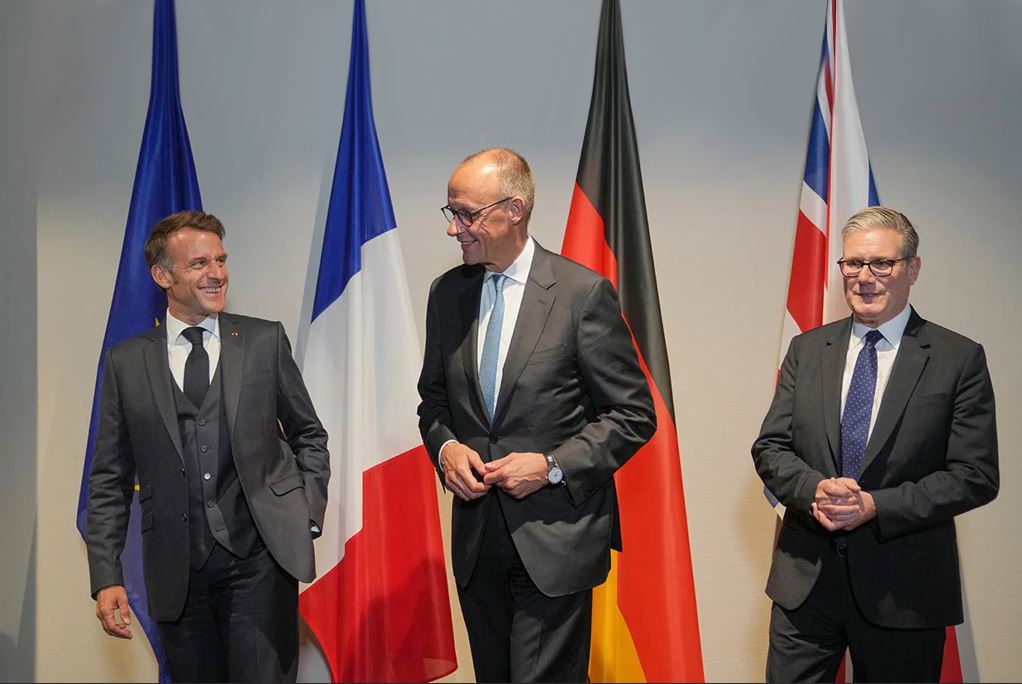
During Israel’s military incursion into Iran in June 2025, statements by the German Chancellor were widely interpreted as symbolic of Europe’s alignment with Israel in the operation. The participation of French and British fighter jets in defensive missions further reinforced this perception with tangible evidence.
Following the end of the war, in response to Iran’s suspension of cooperation with the International Atomic Energy Agency (IAEA) and a resolution passed by the Islamic Consultative Assembly, the European Union threatened to activate the snapback mechanism against Iran if the situation persisted. This threat was particularly emphasized by the E3 countries—Germany, France, and the United Kingdom—and led to a subsequent agreement between Iran and the IAEA in Cairo. Under this agreement, inspections of damaged nuclear facilities were permitted under specific conditions.
Nevertheless, European officials deemed the agreement insufficient and demanded a complete halt to Iran’s missile activities, including short-range systems. A German official stressed that this demand was aimed at ensuring Israel’s security. This stance imposed significant political and operational costs on Iran and reinforced public and media perceptions—both within Iran and in certain international circles—that Europe was inclined to activate the snapback mechanism and would likely find multiple pretexts to do so.
Against this backdrop, the central research question is posed as follows:
“Assuming the snapback mechanism is definitively activated by Europe, will this action inflict serious damage on Iran’s economy? Or, given Iran’s long-standing experience with Chapter VII sanctions and its preparedness to counter banking, financial, and secondary sanctions, can the impact be assessed as non-catastrophic or non-paralyzing?”
The research hypothesis asserts that:
“Activation of the snapback mechanism, despite its symbolic and political threats, cannot produce devastating effects.”
This hypothesis rests on four key indicators:
- Iran’s prior experience with indirect sanctions,
- Its structural preparedness,
- The opposition of China and Russia,
- And the reputational consequences for the European Union.
To clarify the hypothesis, its components will be presented analytically and coherently to reinforce the theoretical foundation of the study. Each of the four key indicators will be examined in turn:
1. Iran’s Experience with Indirect Chapter VII Sanctions
- For years, Iran has been subject to extensive sanctions, which, although not formally under Chapter VII of the UN Charter, have had similar practical effects.
- Banking, oil, insurance, and technology export restrictions have pushed Iran toward alternative mechanisms such as barter systems, regional currencies, and informal financial networks.
- This experience has fostered a form of institutional resilience, making the activation of the snapback mechanism a repetition of prior pressures rather than the onset of a new crisis.
2. Iran’s Structural Preparedness to Counter Sanctions
Following the U.S. withdrawal from the JCPOA in 2018, Iran redesigned its economic and legal infrastructure to withstand sanctions.
- The development of domestic financial exchange systems, the strengthening of domestic production, and the expansion of relations with non-Western countries are part of this preparedness.
- Moreover, Iran’s experience in circumventing sanctions through intermediary companies, indirect shipping routes, and use of non-dollar currencies demonstrates increased resistance to secondary sanctions.
3. China and Russia’s Opposition to Snapback Activation
As permanent members of the UN Security Council, China and Russia have publicly opposed the reinstatement of UN sanctions against Iran and have expressed this stance in official statements.
- Their opposition not only prevents the formation of a global consensus against Iran but also preserves avenues for economic and military cooperation.
- Furthermore, these countries can challenge the legitimacy of Europe’s actions in international institutions and frame them as violations of the spirit of the JCPOA.
4. Reputational Consequences for the European Union
- Activation of the snapback mechanism by Europe—especially after the Cairo agreement and Iran’s partial cooperation with the IAEA—may be perceived as unjust.
- Such a move undermines Europe’s credibility as an independent and balanced mediator and may diminish its diplomatic influence in the Middle East.
- Additionally, within Europe itself, political parties and media outlets critical of Israeli policies may interpret this action as unconditional alignment with Tel Aviv.
Source Methodology
This study relies exclusively on reputable international news sources, specialized journals, and official global institutions for citations and analysis. Persian-language sources will be used only when addressing domestic reactions within Iran. References to promotional or partisan sources—whether domestic or affiliated with opposition groups abroad—will be strictly avoided. This approach is adopted to preserve neutrality, analytical rigor, and scholarly credibility.
Based on this framework, the following structural outline is proposed:
Introduction (continued)
2. Theoretical and Conceptual Framework
- Definition of the snapback mechanism under UN Security Council Resolution 2231
- Its legal status within the international system
- Distinction between Chapter VII sanctions and secondary sanctions
- The concept of institutional resilience in a sanctions-based economy
3. Analysis of Hypothesis Components
3.1 Iran’s Experience with Indirect Chapter VII Sanctions
- Historical overview of sanctions
- Alternative economic mechanisms
- Impact on Iran’s institutional behavior
3.2 Iran’s Structural Preparedness
- Economic reforms since 2018
- Domestic tools for countering sanctions
- Regional and non-dollar capacities
3.3 Opposition from China and Russia
- Official positions in the UN Security Council
- Economic and military cooperation potential
- Impact on the legitimacy of Europe’s actions
3.4 Reputational Consequences for Europe
- Diplomatic and media analysis
- Effects on Europe’s mediating role
- Domestic backlash within E3 member states
4. Internal Critiques of the Hypothesis and Analytical Limitations
- Neglect of lived experience under sanctions: inflation, unemployment, social erosion
- Destructive effects of the snapback mechanism: legitimizing unlawful behavior
- Complete blockage of diplomatic openings: escalating tensions, awakening the specter of war
5. Potential Consequences of Snapback Activation
- Expansion of sanctions and alignment of previously neutral countries
- Erosion of Europe’s legitimacy in the Global South
- Intensification of regional tensions and risk of proxy conflicts
- Strengthening of parallel processes and geopolitical realignment
6. Final Assessment and Response to the Research Question
- Summary of economic and political impacts
- Evaluation of the “devastating” nature of sanctions
- Comparative analysis of costs for Iran and Europe
- Analytical conclusion regarding the hypothesis
7. Looking Ahead
- Redefining Iran’s diplomacy in a multipolar world
- Rebuilding the domestic economy with a focus on social resilience and uncompromising anti-corruption efforts
- Reconstructing Iran’s narrative and conduct in the international arena
2. Theoretical and Conceptual Framework
2.1 Definition of the Snapback Mechanism
The term “snapback mechanism” in the context of international law and nuclear diplomacy refers to the automatic reinstatement of United Nations sanctions against Iran. This mechanism is embedded in UN Security Council Resolution 2231, adopted in 2015 following the Joint Comprehensive Plan of Action (JCPOA). According to this provision, if any party to the agreement—particularly permanent members of the Security Council—claims that Iran has “significantly failed” to meet its obligations, it may initiate a process that ultimately leads to the reimposition of all pre-JCPOA UN sanctions, without requiring a new vote in the Security Council.
Unlike standard procedures within the Security Council, the snapback mechanism is designed to be immune to veto. In other words, if a country such as France, the United Kingdom, or the United States triggers the process, opposition from China or Russia cannot prevent the sanctions from returning. This feature makes the snapback mechanism a powerful and potentially dangerous tool in international relations, especially in times of heightened political discord among the agreement’s parties.
From a legal standpoint, the snapback mechanism represents a “return to the previous status,” whereby Iran would again be subject to comprehensive UN sanctions—including arms embargoes, financial and banking restrictions, and limitations on technology exports. Although this mechanism is part of the JCPOA framework, it has been controversial from the outset, with some analysts arguing that it violates the spirit of the agreement.
2.2 Legal Status within Resolution 2231
UN Security Council Resolution 2231 formally recognizes the JCPOA and establishes its implementation framework at the international level. The resolution not only outlines Iran’s obligations but also defines the responsibilities and authorities of the other parties. The clauses pertaining to the snapback mechanism are structured to allow for the reimposition of sanctions in the event of “significant non-compliance” by Iran.
In terms of international law, these clauses function as a form of “implied termination clause,” granting parties the right to suspend the agreement and reinstate sanctions if commitments are breached. However, the interpretation of “significant non-compliance” is vague and politically driven. There is no precise legal standard or independent body to assess such non-compliance, which has turned the snapback mechanism into a tool of political pressure rather than a purely legal instrument.
Another critical point is that Resolution 2231, unlike previous UN resolutions on Iran, does not fall under Chapter VII of the UN Charter. This means its implementation is not legally binding unless the snapback mechanism is activated. Therefore, prior to activation, Iran is not subject to mandatory UN sanctions—a fundamental distinction from the pre-JCPOA era.
2.3 Distinction Between Chapter VII Sanctions and Secondary Sanctions
Sanctions under Chapter VII of the UN Charter are imposed by the Security Council based on its authority under that chapter. These sanctions are binding, and all UN member states are obligated to enforce them. Examples include arms embargoes, asset freezes, travel restrictions, and bans on technological cooperation with the targeted country.
In contrast, secondary sanctions are imposed unilaterally by a country (such as the United States) against entities or nations that engage with the sanctioned country. These sanctions do not target Iran directly but rather penalize companies and banks that conduct business with Iran. Although not internationally binding, secondary sanctions are highly effective due to the economic power of the United States, and many global institutions avoid dealings with Iran out of fear of U.S. penalties.
The key differences between these two types of sanctions lie in their legal enforceability, scope of implementation, and international legitimacy. Chapter VII sanctions carry formal legal authority and must be implemented by all states. Secondary sanctions, however, are primarily instruments of political and economic coercion, and their legitimacy is widely contested. In the context of this study, the distinction is crucial, as the hypothesis asserts that Iran has extensive experience in confronting both types of sanctions and has succeeded in strengthening its institutional resilience.
2.4 The Concept of Institutional Resilience
Institutional resilience, as used in political economy and sanctions studies, refers to the capacity of a country’s internal institutions to maintain functionality, adapt, and withstand external pressures. This concept goes beyond mere “economic endurance” and encompasses the ability of legal, administrative, financial, and political structures to regenerate under crisis conditions.
In Iran’s case, institutional resilience has notably increased since the U.S. withdrawal from the JCPOA in 2018. Economic institutions such as the Central Bank, the Ministry of Petroleum, and commercial entities have developed mechanisms to circumvent sanctions, utilize alternative currencies, and engage with non-Western partners. Legal and diplomatic institutions have also advanced arguments in international forums to delegitimize the sanctions regime.
Institutional resilience is considered a key component of the hypothesis in this study, as it demonstrates that Iran is not only economically but also structurally equipped to confront the reactivation of sanctions. This resilience is the product of accumulated experience, reform, and gradual adaptation to a sanctions environment—and may serve as a barrier against the “devastating” impact of renewed pressure.
3. Analysis of Hypothesis Components
3.1 Iran’s Experience with Indirect Chapter VII Sanctions
First – Historical Overview of Sanctions: Timeline and Enforcers
Sanctions imposed on Iran from 2006 to 2015, and again from 2018 to the present, have constituted a complex array of economic, financial, and diplomatic pressures. Although many of these sanctions were not formally enacted under Chapter VII of the UN Charter, their practical effects have been comparable. This experience forms one of the foundational pillars of the research hypothesis: that Iran, through this history, has strengthened its institutional and economic capacities to withstand sanctions.
a) UN Security Council Sanctions (2006–2010)
- Enforcer: United Nations Security Council
- Legal Basis: Chapter VII of the UN Charter
- Resolutions:
- 1737 (December 2006): Initiated sanctions against Iran’s nuclear program, including bans on sensitive technology exports and asset freezes for related entities
- 1747 (March 2007): Expanded sanctions to military institutions and imposed an arms embargo
- 1803 (September 2008): Introduced further travel restrictions and financial cooperation limits
- 1929 (June 2010): Broadened sanctions, including bans on energy sector investment and banking restrictions
This period marked the first phase of multilateral sanctions, enforced with international consensus and legal backing from the Security Council. Although narrower in scope than U.S. unilateral sanctions, they placed Iran in a position of symbolic and legal international isolation.
b) Unilateral Western Sanctions (2010–2015)
- Enforcers: United States, European Union, Canada, Australia, Japan, South Korea
- Legal Basis: Domestic legislation, without UN backing
- Content:
- Comprehensive sanctions on Iran’s Central Bank and bans on financial transactions
- Prohibition of Iranian oil purchases by European and Asian companies
- Disconnection from SWIFT (Society for Worldwide Interbank Financial Telecommunication)
- Sanctions on insurance, shipping, and transport companies linked to Iran
- Bans on industrial equipment, software, and IT exports
Although lacking international legitimacy, these sanctions were far more severe due to U.S. dominance over the global financial system. During this period, Iran faced a sharp decline in oil exports, depletion of foreign reserves, and disruption of foreign trade.
c) Post-JCPOA Sanctions: U.S. Unilateral Reimposition (2018–Present)
- Enforcer: United States
- Legal Basis: Withdrawal from the JCPOA (May 2018) and reactivation of sanctions under CISADA and secondary sanctions legislation
- Content:
- Renewed sanctions on the Central Bank, National Iranian Oil Company, and key economic institutions
- Threats of penalties against foreign companies cooperating with Iran
- Secondary sanctions targeting non-U.S. banks, insurers, and shipping lines
- Bans on aircraft sales, industrial components, and advanced medical equipment
Although the EU, China, and Russia opposed these sanctions, many international companies ceased cooperation with Iran due to fear of U.S. penalties. This effectively returned Iran to conditions resembling Chapter VII sanctions—without any formal Security Council decision.
Second – Alternative Economic Mechanisms
In response to these sanctions, Iran developed and implemented a range of alternative mechanisms aimed at maintaining minimal economic engagement with the world, reducing dependence on Western institutions, and creating parallel channels for trade and finance. These mechanisms included:
- Barter trade with neighboring and Asian partners, especially China, India, Turkey, and Iraq
- Use of non-dollar currencies such as yuan, rupee, ruble, and lira to bypass dollar-based restrictions
- Establishment of domestic financial exchange systems as SWIFT alternatives to facilitate internal and regional banking transactions
- Creation of intermediary and shell companies abroad to conduct oil and industrial transactions indirectly
- Expansion of domestic production capacities in sectors such as petrochemicals, pharmaceuticals, industrial equipment, and IT
- Strengthening economic diplomacy with non-Western countries to attract investment, transfer technology, and forge bilateral agreements
Although initially hindered by operational challenges and inefficiencies, these mechanisms gradually became embedded in Iran’s economic structure and helped mitigate the impact of sanctions.
Third – Impact on Iran’s Institutional Behavior
The experience of indirect sanctions affected not only Iran’s economic indicators but also transformed the behavior of key national institutions. This institutional shift is observable across several domains:
- Economic institutions such as the Central Bank, Ministry of Petroleum, and Trade Promotion Organization shifted toward crisis-oriented policymaking. Rather than planning under normal conditions, they began designing sanction scenarios, managing risk, and building institutional flexibility.
- Legal and judicial institutions developed domestic regulations to support producers, facilitate trade, and combat corruption under sanction conditions. Efforts were also made to pursue legal challenges to sanctions in international forums.
- Diplomatic institutions, particularly the Ministry of Foreign Affairs, pivoted toward economic and regional diplomacy. Focused engagement with China, Russia, ECO member states, and regional blocs like the Shanghai Cooperation Organization became central to this shift.
- Media and public relations institutions promoted narratives of “economic resistance” and “sanctions economy,” contributing to a degree of national consensus in the face of external pressure.
This institutional transformation indicates that Iran’s response to sanctions has not been limited to economic tools alone, but has involved a broader reconfiguration of its governance structures. This reconfiguration reflects the concept of institutional resilience discussed in the previous chapter and is here illustrated through practical examples of Iranian institutional adaptation.
3.2 Iran’s Structural Preparedness
Although activation of the snapback mechanism would legally reinstate UN sanctions, Iran has already faced comparable pressures in practice. Since the U.S. withdrawal from the JCPOA in 2018 and the reimposition of unilateral sanctions, Iran entered a phase of economic isolation that prefigured many of the snapback’s potential effects. In response, Iran undertook a series of structural reforms in economic, legal, and diplomatic domains aimed at reducing vulnerability and enhancing resilience.
First – Economic Reforms Post-2018
Following the U.S. exit from the JCPOA in May 2018, Iran faced crises including reduced oil exports, a sharp depreciation of the rial, and banking restrictions. In response, key reforms were initiated across several areas:
- Revision of the national budget to reduce dependence on oil revenues
- Increased reliance on taxation and expansion of the tax base
- Strengthening of non-oil sectors such as petrochemicals, agriculture, and small industries
- Development of digital infrastructure and e-commerce to reduce reliance on traditional trade
- Currency system reform through parallel exchange markets, demand control, and capital outflow restrictions
- Enhanced support for domestic production via loans, tax exemptions, and import bans on non-essential goods
Despite challenges such as inflation, institutional corruption, and implementation inefficiencies, these reforms collectively shifted Iran’s economic structure away from oil and dollar dependency toward more resilient models.
Second – Domestic Instruments for Countering Sanctions
Alongside macroeconomic reforms, Iran developed a set of institutional and operational tools aimed at maintaining a minimum level of economic and financial functionality under restrictive conditions:
- Establishment of domestic financial exchange systems as alternatives to SWIFT, facilitating internal and regional banking transactions
- Creation of intermediary and shell companies abroad to conduct oil and industrial transactions indirectly
- Expansion of domestic transport and insurance networks to reduce dependence on international firms
- Utilization of indigenous technologies in energy, pharmaceuticals, and agriculture to reduce import needs
- Strengthening of regulatory and judicial institutions to combat corruption and abuse under sanction conditions
- Development of legal frameworks to support producers and exporters against the impact of sanctions
These instruments—particularly in the oil, banking, and foreign trade sectors—played a critical role in sustaining Iran’s economic operations and demonstrated the country’s ability to reconfigure parts of its infrastructure for a sanctions environment.
Third – Regional and Non-Dollar Capacities
A key pillar of Iran’s structural preparedness has been the expansion of economic engagement with regional partners and the use of non-dollar currencies. This strategy aimed to reduce dependence on Western financial systems and create parallel channels for trade and financing:
- Strengthening trade relations with neighboring countries such as Iraq, Turkey, Afghanistan, Pakistan, and Central Asia
- Deepening bilateral cooperation with China and Russia through barter agreements, joint investments, and strategic partnerships
- Use of alternative currencies such as yuan, ruble, rupee, and lira in foreign transactions
- Accession to regional blocs such as the Shanghai Cooperation Organization, ECO, and the Eurasian Economic Union
- Establishment of joint banks and regional investment funds to facilitate financial interactions without reliance on the dollar or euro
While these capacities have not fully replaced the Western financial system, they have helped meet part of Iran’s economic needs under sanctions and expanded its maneuvering space.
In sum, Iran’s structural preparedness since 2018 is evident not only in economic reforms but also in operational tools and regional capacities. This preparedness is a key component of the research hypothesis, demonstrating that Iran, contrary to common assumptions, will not collapse under snapback activation, but rather possesses the institutional experience and adaptability to withstand its effects.
3.3 Opposition from China and Russia
Although the snapback mechanism is legally designed to allow any JCPOA party (including European states) to unilaterally trigger the automatic reinstatement of UN sanctions, in practice, opposition from China and Russia carries significant political and diplomatic weight. Their resistance not only prevents a global consensus against Iran but also undermines the legitimacy of Europe’s actions and preserves Iran’s economic and military cooperation with the East.
First – Official Positions in the Security Council. Since the U.S. withdrawal from the JCPOA in 2018, China and Russia have consistently voiced opposition to the reimposition of UN sanctions on Iran. These positions have been reflected in formal Security Council sessions, diplomatic statements, and state media:
- Russia, particularly through its permanent representative to the UN, has repeatedly emphasized that snapback activation by European countries or the U.S. constitutes a “violation of the spirit of the JCPOA” and an “abuse of the legal mechanism in Resolution 2231.” Moscow has also stated that such action lacks international consensus and cannot serve as a legitimate basis for renewed sanctions.
- China, in official statements from its Foreign Ministry and speeches by its UN representatives, has declared that reinstating sanctions against Iran is “illegal” and “counterproductive.” Beijing argues that such a move harms the nuclear agreement and threatens regional stability.
While these positions cannot legally block snapback activation (as the mechanism is designed to be veto-proof), they politically prevent the formation of a global consensus and weaken the legitimacy of Europe’s actions.
Second – Economic and Military Cooperation Capacities
China and Russia’s opposition to renewed sanctions has not remained confined to political statements; it has materialized in economic and military cooperation with Iran—particularly vital under sanction conditions:
- Economically, China remains one of Iran’s largest trading partners. Chinese companies continue importing Iranian oil, investing in infrastructure projects, and collaborating in IT and energy sectors. Russia also maintains cooperation in nuclear energy, transportation, and heavy industries.
- Militarily and in security affairs, Iran engages with Russia in defense equipment purchases, military training, and intelligence cooperation. Joint naval exercises in the Persian Gulf and the Sea of Oman exemplify this partnership. China has also cooperated with Iran in cybersecurity and defense technologies.
These capacities enable Iran to offset some of the effects of Western sanctions and establish alternative channels for financing, technology, and security. Thus, snapback activation does not necessarily lead to Iran’s complete isolation.
Third – Impact on Europe’s Legitimacy
China and Russia’s opposition to snapback activation not only blocks global consensus but also casts doubt on the legitimacy of Europe’s actions. This impact can be analyzed across several levels:
- In international law, China and Russia argue that Europe’s move contradicts the spirit of the JCPOA and Resolution 2231. These arguments are echoed in global forums and media, framing Europe’s action as a “misuse of legal mechanisms.”
- In multilateral diplomacy, opposition from two permanent Security Council members undermines Europe’s credibility in international institutions. Europe, which presents itself as a neutral mediator, is increasingly perceived as aligned with the U.S. and Israel.
- In global public opinion, especially in non-Western countries, Europe’s action may be viewed as politically biased and unjust. This perception could damage Europe’s diplomatic relations with the Global South.
In sum, China and Russia’s opposition not only provides Iran with economic and security maneuverability but also weakens Europe’s legitimacy and prevents the formation of a unified global front against Iran. This element is a cornerstone of the research hypothesis, which emphasizes the limited destructive impact of snapback activation.
3.4 Reputational Consequences for Europe
Although snapback activation by Europe may be legally justified under Resolution 2231, it faces serious political and ethical challenges. Especially following the Cairo agreement and Iran’s partial cooperation with the IAEA, such action may be perceived as unfair and partisan. This section examines the reputational consequences across diplomatic, media, and domestic dimensions.
First – Diplomatic and Media Analysis
The European Union, particularly the E3 countries (Germany, France, and the UK), has long sought to portray itself as an independent and balanced mediator in the Iranian nuclear dispute. This image was reinforced in the post-JCPOA years through efforts to preserve the agreement and oppose the U.S. “maximum pressure” strategy. However, activating the snapback mechanism while Iran has conditionally resumed cooperation with the IAEA undermines this image.
In international media—especially in non-Western outlets—Europe’s action may be interpreted as unconditional alignment with U.S. and Israeli policies. Notably, a German official explicitly stated that halting Iran’s missile program was aimed at ensuring Israel’s security. This position is controversial not only diplomatically but also ethically, as it suggests that Europe prioritizes specific political interests over principles of international law in assessing regional threats.
Second – Impact on Europe’s Mediating Role
One of Europe’s most valuable diplomatic assets in the Iranian nuclear dispute has been its role as a mediator. This role, particularly after the U.S. withdrawal from the JCPOA, allowed Europe to facilitate negotiations and prevent total collapse of the agreement. However, snapback activation—especially without global consensus and amid Iran’s partial cooperation—undermines this role.
Iran and many international analysts may interpret this move as the end of Europe’s neutrality. In such a scenario, Iran’s trust in Europe as a mediator erodes, and diplomatic channels give way to political confrontation. Moreover, non-Western powers such as China, Russia, and India may sideline Europe in future negotiations and pursue alternative multilateral frameworks.
Third – Domestic Reactions in E3 Countries
Within European countries—particularly Germany, France, and the United Kingdom—the activation of the snapback mechanism may provoke political and social reactions. Left-wing parties, anti-war groups, and media outlets critical of Israeli policies may interpret this move as unconditional alignment with Tel Aviv.
In Germany, where the historical memory of war and the Holocaust plays a significant role in foreign policy, support for Israel has always been a sensitive issue. However, using this sensitivity to justify sweeping sanctions against Iran may encounter resistance in public discourse. In France and the UK, colonial legacies and historical involvement in the Middle East have made public opinion more cautious toward foreign interventions.
Although these domestic reactions may not immediately influence foreign policy, they could, in the long term, erode Europe’s moral and political credibility on the international stage.
In sum, the reputational consequences of Europe’s snapback activation are visible not only in foreign relations but also within domestic and media spheres. These consequences form a key element of the research hypothesis, suggesting that Europe, in its pursuit of pressure against Iran, may face significant political and ethical costs—costs that transform the sanctions from a one-sided imposition into a reciprocal dynamic.
4. Internal Critiques of the Hypothesis and Analytical Limitations
This article’s hypothesis asserts that activation of the snapback mechanism, despite its symbolic and political threats, cannot produce devastating effects. The hypothesis rests on four key indicators, analyzed in detail in Chapter 3. However, three fundamental critiques emerge during the course of analysis—critiques that arise not externally, but from lived experience, legal reasoning, and geopolitical foresight. This chapter serves as a reexamination of the hypothesis’s foundations by exploring these three critiques.
4.1 Neglect of Lived Experience: Inflation, Unemployment, Social Erosion
Sanctions may be analyzed at the official level as instruments of political or economic pressure, but at the societal level, they are lived as daily, exhausting, and at times humiliating experiences. In previous analysis, the focus was on institutional resilience—on how Iran’s formal institutions have maintained functionality under external pressure. Yet this resilience has come at a heavy human, social, and psychological cost that was underrepresented in the analysis.
Since 2018, Iranian society has faced chronic, multilayered inflation. Prices of essential goods—from bread and meat to medicine and rent—have fluctuated daily, and the “dance of the dollar” has become a symbol of economic instability. These fluctuations have not only eroded purchasing power but also disrupted the psychological security of society. Families, especially in the middle and lower classes, face a lack of economic horizon—they do not know what they will buy or sell tomorrow, or whether they can continue living at all.
In this context, domestic economic dynamism has sharply declined. Many professional sectors—from industrial production to educational services—have stagnated or shut down. Unemployment, especially among educated youth, has reached levels that threaten not only livelihoods but human dignity. Brain drain, expansion of the informal economy, and increased reliance on family support are among the consequences.
From a social psychology perspective, this situation has led to collective frustration, erosion of trust, and a growing sense of powerlessness. People have lost faith not only in domestic institutions but also in international ones. Sanctions, in this sense, are not merely tools of pressure—they are instruments of hope destruction. Therefore, while the hypothesis may hold at the institutional level, it requires completion and revision at the human and societal level.
4.2 Destructive Effects of the Snapback Mechanism: Legitimizing Illegitimate Behavior, Return to Chapter VII, Collapse of JCPOA Gains
Legally, the snapback mechanism is an exceptional provision in Resolution 2231 that allows for automatic reinstatement of sanctions without a vote. Although embedded in the JCPOA, it has been controversial from the outset. Its activation—especially by Europe, at a time when Iran has shown partial cooperation with the IAEA—may be seen as legitimizing the West’s illegitimate conduct regarding the nuclear deal.
From the standpoint of international law, this action constitutes a misuse of legal mechanisms. Europe, without acknowledging its own breaches of commitment, portrays Iran as the violator and reinstates sanctions. This not only deepens Iran’s distrust of Europe but also undermines the credibility of international institutions.
Politically, snapback activation signifies Iran’s formal return to Chapter VII of the UN Charter—i.e., designation as a threat to international peace and security. This status nullifies all JCPOA achievements:
- Lifting of arms embargoes
- Permission to sell oil
- Access to the global financial system
- Diplomatic legitimacy in international forums
4.3 Total Closure of Diplomatic Openings: Escalating Tensions, Awakening the Specter of War
Snapback activation not only reinstates sanctions but also completely blocks diplomatic channels between Iran and the West. In the post-war context of June 2025, where tensions between Iran and Israel have peaked, such a move could mark the end of any possibility for negotiation, engagement, or diplomatic breakthrough.
Diplomatically, the snapback mechanism signals the severance of dialogue. Europe, once a mediator, now appears as a pressure actor. In response, Iran may suspend cooperation with the IAEA, increase enrichment levels, and withdraw from remaining commitments. This scenario escalates political and security confrontation rather than reducing tensions.
Regionally, this confrontation could awaken the specter of war. Military threats, cyberattacks, and proxy conflicts are among the likely scenarios. Israel, with tacit support from Europe and the U.S., may justify preemptive strikes. Iran, in turn, may bolster the resistance axis, expand regional influence, and enhance military readiness.
In such conditions, the snapback mechanism becomes not merely a sanctions tool but a trigger for security crises. The Middle East, previously entangled in proxy wars, may enter a phase of direct conflict—one that involves not only Iran but the entire region. Therefore, the article’s hypothesis must acknowledge that, alongside economic effects, the snapback mechanism carries dangerous security and geopolitical consequences.
5. Potential Consequences of Snapback Activation
Although the snapback mechanism appears to be a legal action under Resolution 2231, in practice it may lead to multilayered consequences—from expanded sanctions to erosion of Europe’s legitimacy and intensified regional tensions. This chapter analyzes three likely trajectories that could reshape international relations with Iran.
5.1 Expansion of Sanctions and Alignment of Neutral States
Snapback activation may indirectly push previously neutral or passive countries toward alignment with sanctions. These states, though not Security Council members or official JCPOA parties, may gradually restrict cooperation with Iran under international political pressure and Western economic influence.
However, it is important to note that fear of secondary sanctions is a chronic and entrenched phenomenon. For years, countries such as Turkey, South Korea, India, and even some Arab states—despite economic interest in engaging with Iran—have refrained from direct cooperation. A notable example is Turkey, which, despite extensive trade ties, created legal loopholes for engagement but never allowed Iranians to open genuine bank accounts.
Thus, while snapback activation may intensify this trend, it does not initiate a new wave. Rather, it reinforces and deepens cautious behavior among states, particularly in banking, insurance, and technology sectors. This increases economic pressure on Iran but also highlights the practical limitations of sanctions in generating true global consensus.
5.2 Erosion of Europe’s Legitimacy in the Global South
One of the major consequences of snapback activation is the erosion of Europe’s political and moral legitimacy in the eyes of the Global South. The EU—especially the E3 countries—has long sought to position itself as an independent mediator in the Iranian nuclear dispute. However, activating the snapback mechanism—particularly after the Cairo agreement and Iran’s partial cooperation with the IAEA—could severely damage this image.
In many non-Western countries, this move may be seen as unconditional alignment with Israeli and Zionist-Masonic interests, rather than impartial enforcement of a legal mechanism. This perception, especially in the Islamic world, Africa, and Latin America, could lead to a loss of Europe’s moral standing in international affairs.
Diplomatically, this could reduce Europe’s influence in multilateral institutions, regional alliances, and global negotiations. Countries that previously viewed Europe as a trustworthy mediator may pivot toward China, Russia, or non-Western platforms. This shift may not harm Iran—but could contribute to a broader geopolitical realignment.
5.3 Intensification of Regional Tensions and Risk of Proxy Conflicts
Snapback activation, in the post-war context of June 2025, could escalate regional tensions and awaken the specter of war. This action not only blocks diplomatic pathways but also serves as a political signal for increased pressure, military threats, and proxy confrontations.
In such a scenario, Iran may suspend cooperation with the IAEA, raise enrichment levels, and withdraw from remaining commitments. In response, Israel and its Western allies may justify preemptive strikes—especially by invoking Chapter VII of the UN Charter. This could lead to direct or proxy conflicts in the Persian Gulf, Syria, Lebanon, and Yemen.
From a regional security perspective, the snapback mechanism—though ostensibly legal—may function as a catalyst for military and security crises. The Middle East, previously embroiled in scattered conflicts, may enter a phase of widespread confrontation—one that implicates not only Iran but the entire region.
5.4 Strengthening Parallel Processes: Geopolitical Realignment and Departure from the Western Orbit
Although the activation of the snapback mechanism appears to be a legal measure, in practice it may accelerate Iran’s departure from the Western orbit and reinforce regional and global parallel processes. This shift is not merely a reaction to sanctions—it represents a strategic redefinition of Iran’s geopolitical position within the international system.
In recent years, Iran has sought to join institutions such as the Shanghai Cooperation Organization, the Eurasian Economic Union, and bilateral agreements with China, Russia, India, and Central Asian countries to establish alternative pathways for economic, security, and diplomatic engagement. Snapback activation could transform these efforts from gradual developments into accelerated strategies.
Economically, these institutions offer access to non-dollar currencies, barter trade, joint investments, and technology exchange. In terms of security, military and intelligence cooperation with Shanghai member states could enhance regional deterrence. Diplomatically, these platforms allow Iran to present its narrative on sanctions in non-Western forums and preserve its international legitimacy.
Thus, while snapback activation increases Western pressure, it simultaneously acts as a catalyst for strengthening parallel processes and geopolitical realignment. Rather than remaining passive, Iran may move toward deepening ties with the East, the Global South, and non-Western multilateral institutions—a shift that is not merely reactive, but a strategic reorientation.
6. Final Assessment and Response to the Research Question
The central research question posed in this study was:
Does the activation of the snapback mechanism, despite its symbolic and legal threats, necessarily lead to devastating consequences for Iran?
To answer this, four components of the hypothesis were analyzed (Chapter 3), followed by internal critiques (Chapter 4), and finally, practical and geopolitical implications (Chapter 5). This chapter presents a synthesis of findings and a final analytical response to the research question.
6.1 Summary of Economic and Political Impacts
Economically, Iran has faced sanctions since 2018 that are comparable—or even more severe—than those the snapback mechanism could impose. The experience of indirect Chapter VII sanctions, structural reforms following the U.S. withdrawal from the JCPOA, and the development of alternative economic mechanisms demonstrate that Iran has managed to maintain parts of its economic functionality, albeit at significant cost.
Politically, snapback activation could formally return Iran to Chapter VII status under the UN Charter, symbolically and legally weakening its international standing. However, opposition from China and Russia, along with reputational consequences for Europe, prevents the formation of a global consensus against Iran and preserves diplomatic maneuverability.
In sum, while the economic and political effects of snapback activation are notable, they are not necessarily devastating within the context of Iran’s prior experience. Rather, they constitute a continuation of chronic and manageable pressure.
6.2 Assessing the Degree of “Devastation” Caused by Sanctions
Sanctions—especially under the snapback mechanism—can disrupt trade, investment, and financial interactions. However, the extent of their “devastation” depends on how collapse is defined. If collapse means the complete dysfunction of economic and institutional structures, evidence suggests Iran has not reached that point.
Nonetheless, Chapter 4 rightly emphasized that the lived experience of sanctions has been socially and psychologically exhausting. Inflation, unemployment, brain drain, and public disillusionment are tangible effects felt across Iranian society. Thus, while formal structures may endure, the quality of social life has deteriorated.
Sanctions, therefore, are not inherently devastating—but they can lead to gradual social and psychological erosion. This form of devastation may not appear in official statistics, but it persists in collective memory.
6.3 Comparative Cost Analysis for Iran and Europe
Snapback activation imposes costs not only on Iran but also on Europe. Iran faces renewed UN sanctions and additional restrictions, but Europe suffers reputational damage, a weakened mediating role, and diminished legitimacy in the Global South.
Meanwhile, Iran may pivot toward strengthening parallel processes—from the Shanghai Cooperation Organization to non-dollar agreements. This shift represents not passivity, but a strategic geopolitical realignment that could redefine Iran’s position outside the Western orbit.
Overall, the costs of this confrontation are mutual. Iran bears economic pressure, while Europe loses political and moral credibility. This dynamic harms not only Iran but also the international order built on trust, balance, and dialogue.
6.4 Analytical Conclusion Regarding the Hypothesis
Based on the analyses presented, the article concludes that the hypothesis is structurally valid:
“Activation of the snapback mechanism, despite symbolic and political threats, does not necessarily lead to devastating consequences for Iran.”
However, this conclusion must be accompanied by two caveats:
- At the social and human level, the effects of sanctions are exhausting and harmful, even if formal structures remain intact.
- At the geopolitical level, snapback activation may trigger strategic realignment—not only for Iran, but also for Europe’s global position.
Thus, the final response to the research question is a combination of conditional affirmation and multilayered reconsideration. Sanctions may be bearable, but they must not be analyzed with indifference. They test institutions, erode societies, and challenge the global order.
7. Looking Ahead
While the activation of the snapback mechanism may appear to mark the end of an agreement, in practice it could signal the beginning of a strategic redefinition of Iran’s position in the global order. This redefinition is not limited to diplomacy—it extends to economic structure, regional integration, and international narrative. This chapter explores three key trajectories for Iran’s future in the face of sanctions and the post-JCPOA landscape.
7.1 Redefining Iran’s Diplomacy in a Multipolar World
In the post-war and post-JCPOA context, Iran must shift its diplomacy from a Western-centric axis to a multipolar framework. This shift is not merely geographic—it is conceptual:
- From engagement with Western powers (Europe and the United States), which is rooted in pressure, sanctions, and conditionality,
- To engagement with Eastern powers (China and Russia) and regional blocs, which is based on mutual interests, strategic cooperation, and alternative agreements.
Institutions such as the Shanghai Cooperation Organization, BRICS, the Eurasian Economic Union, and non-dollar trade pacts can serve as platforms for this redefinition. Rather than attempting to return to a deal that has lost credibility, Iran can design its own alternative order—one built on financial independence, mutual respect, and genuine multilateralism.
Put more bluntly: the West must be set aside entirely in Iran’s foreign policy orbit, because at least under current conditions, it offers nothing but political, reputational, and economic costs.
7.2 Rebuilding the Domestic Economy with a Focus on Social Resilience and Uncompromising Anti-Corruption
Sanctions, even if they do not collapse formal structures, erode society. Therefore, Iran’s economic future must not rely solely on institutional endurance—it must be grounded in social resilience, public trust, and endogenous dynamism.
This reconstruction requires several foundational transformations:
- Reforming the tax and budget systems with a justice-oriented approach, supported by digital infrastructures resistant to covert manipulation
- Laying the groundwork for mass-scale domestic production, focused on small and medium-sized enterprises
- Reducing dependence on foreign currencies and strengthening barter-based agreements
- Rebuilding public trust through accountable leadership, transparency, civic participation, and responsiveness
- And most critically, launching a rigorous and unapologetic campaign against economic and administrative corruption—which not only squanders resources but also destroys social capital
In such a model, a “resistance economy” is not merely a survival mechanism—it becomes a platform for social and political regeneration.
7.3 Reconstructing Iran’s Narrative and Conduct in the International Arena
Sanctions intensify not only economic pressure but also narrative warfare. In confronting the snapback mechanism, Iran must reconstruct its global narrative—not just to defend itself, but to generate meaning within the international order. This reconstruction must be accompanied by behavioral reform and a clear rejection of external cost-making.
Key pillars of this reconstruction include:
- Pursuing the restoration of Iran’s violated rights in international forums and leveraging intergovernmental and interorganizational relations to advance this cause
- Highlighting the human consequences of sanctions in multilateral institutions
- Utilizing non-Western media to communicate Iran’s narrative
- Linking Iran’s resistance to global anti-sanctions and anti-hegemony movements in the Global South
- Rethinking confrontational policies, including support for so-called proxy groups, which may undermine Iran’s international legitimacy in the post-war context
- Avoiding all forms of external cost-making and refraining from using domestic economic resources to fund ideological slogans—practices that not only reduce economic efficiency but also erode public trust
In such a narrative, Iran is not merely a regional actor—it becomes a global agent striving to challenge the sanctions order—not through slogans, but through layered diplomacy and responsible conduct.